



The modern American workforce is undergoing a quiet revolution. While the initial transition to remote work focused primarily on logistics—high-speed internet and webcam quality—the conversation has since evolved into something much deeper. Today, professionals are realizing that a "one-size-fits-all" workspace fails to account for the diverse ways our brains process information and environmental stimuli. This realization has birthed the vital concept of neuro-inclusive home office design, a movement dedicated to creating environments that support the unique needs of individuals with ADHD, autism, and sensory processing sensitivities.

For decades, "ergonomics" was a buzzword largely limited to lumbar support and monitor height. However, for neurodivergent professionals, physical comfort is only half the battle. A chair that supports the spine but features a "scratchy" fabric, or a desk that feels visually cluttered, can trigger sensory overload, leading to executive dysfunction and rapid burnout. The shift toward a neuro-inclusive home office design means looking beyond the musculoskeletal system and considering the cognitive load our environment places on us. It is about creating a space that minimizes distractions while providing the specific sensory feedback the brain needs to stay "grounded."
According to recent insights on the rise of neurodiversity in the modern workplace from Forbes, accommodating diverse neurological needs is no longer just an act of inclusion—it is a strategic advantage for productivity. When a workspace is tailored to a user’s neurological profile, the transition into a "flow state" becomes fluid rather than a constant uphill battle against environmental friction.
At Sunaofe, we believe that your workspace should be a sanctuary for your mind as much as your body. Our core philosophy, "So Now Feel," represents the perfect intersection of ergonomics and aesthetics. We don’t just design furniture; we provide a workspace experience that balances health with modern design. We understand that high-end furniture must work with your nervous system, providing a calming, predictable environment that allows your best work to surface.
In this guide, we will explore how to implement a neuro-inclusive home office design that prioritizes sensory regulation and cognitive flow. By focusing on intentional furniture choices and environmental control, you can transform your home office into a powerhouse of focus. We will cover:
- Sensory Regulation: Managing tactile and visual input to prevent overload.
- Cognitive Load: Reducing "visual noise" to combat executive dysfunction.
- Adaptive Movement: Utilizing furniture that provides the physical feedback the neurodivergent brain craves.
Understanding Sensory Processing in the Workspace
To understand the necessity of a neuro-inclusive home office design, one must first understand how the brain processes sensory information. For most neurotypical individuals, the brain is adept at "filtering out" background noise, the texture of a chair's fabric, or the slight wobble of a desk. However, for those with ADHD, autism, or sensory processing sensitivities, these stimuli can be impossible to ignore. This is often referred to as "sensory friction," where the environment actively competes with the work at hand for the brain's limited cognitive resources.

A critical, yet often overlooked, aspect of sensory processing is proprioception—the body's ability to perceive its own position, movement, and spatial orientation. Many neurodivergent individuals require increased proprioceptive input to feel regulated. Without adequate physical feedback from their environment, the brain may enter a state of "sensory seeking," leading to restlessness, fidgeting, and a total loss of concentration. When we approach neuro-inclusive home office design, we aren't just looking for a soft seat; we are looking for furniture that provides consistent, reliable tactile feedback.
Research from the Mayo Clinic regarding sensory processing and neurological health emphasizes that environmental modifications can significantly reduce the "arousal" levels of the nervous system. By minimizing negative stimuli and maximizing supportive input, we can mitigate sensory overload before it starts. In a home office, this means selecting materials and mechanisms that offer stability and predictability.
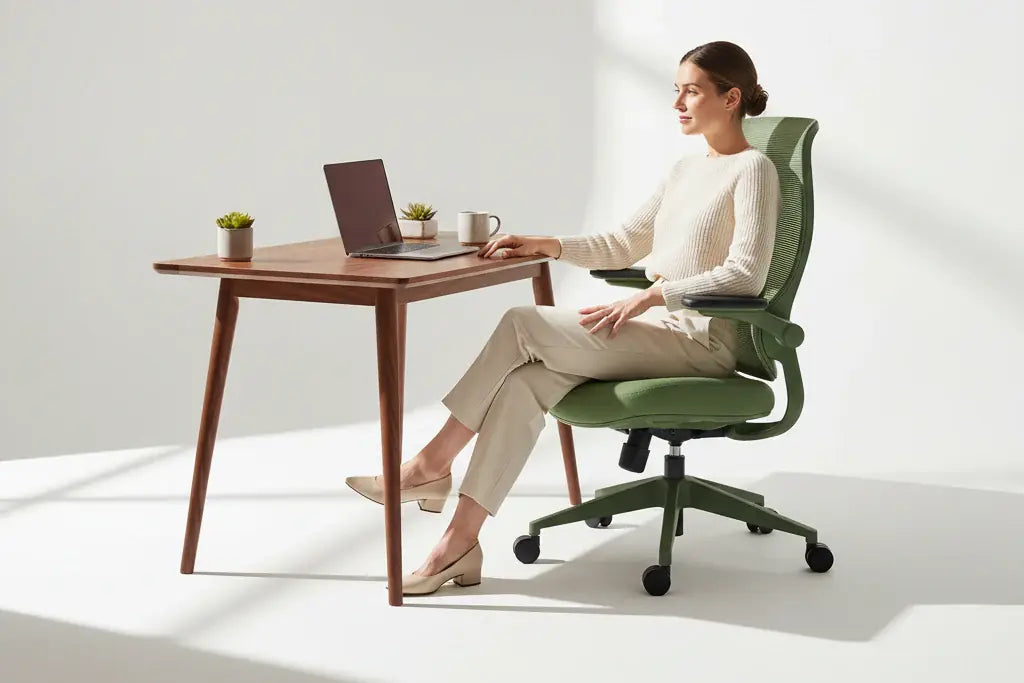
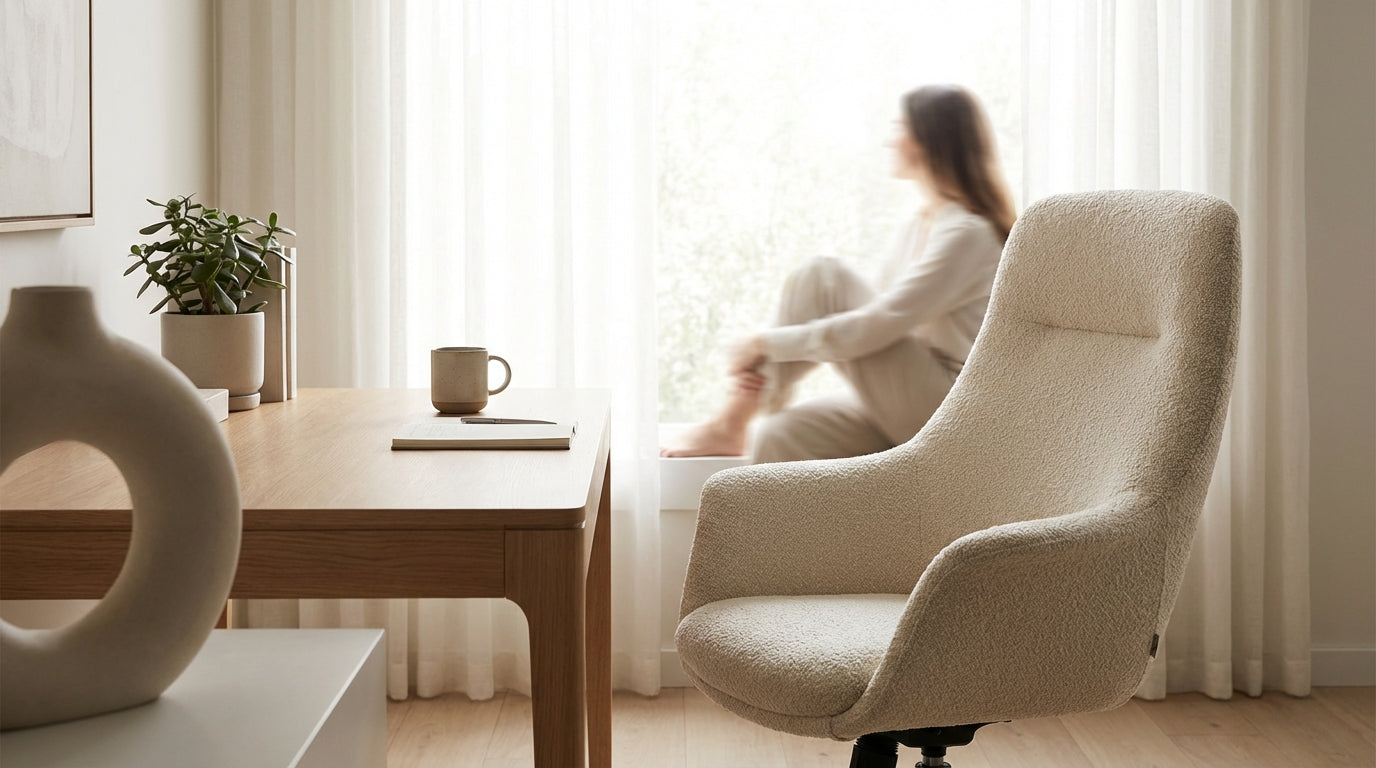
This is where the intersection of ergonomics and sensory health becomes vital. A chair shouldn't just be a place to sit; it should act as a grounding tool. For instance, the way Morph's auto-tracking lumbar support provides continuous physical contact as you move is a prime example of proprioceptive design. It ensures that as you lean or shift, the chair adapts to provide the constant pressure and support the neurodivergent brain needs to remain focused on a task rather than on its own physical discomfort.
By intentionally crafting a neuro-inclusive home office design, professionals can transform their workspace from a source of stress into a tool for emotional regulation. It’s about moving away from "static" furniture and toward "responsive" environments that acknowledge the complex relationship between the body and the mind. Key factors to consider include:
- Tactile Consistency: Fabrics and surfaces that do not cause irritation.
- Predictable Support: Mechanisms that move with the user to provide constant feedback.
- Visual Clarity: Reducing the "noise" of the furniture's design to lower cognitive load.
The Power of Adaptive Support for Focus
For many neurodivergent professionals, the greatest obstacle to productivity isn’t a lack of motivation, but a lack of physical grounding. When the brain is processing information differently, the body often requires constant, subtle feedback to remain in a "flow state." This is why a neuro-inclusive home office design must prioritize dynamic movement over static sitting. For those seeking the best ergonomic chairs for ADHD and sensory processing, the focus shifts from mere cushioning to how a chair responds to the body’s involuntary micro-movements.

Traditional office chairs often require manual adjustments that can break a user's concentration. For an individual with ADHD, the moment focus is interrupted to fiddle with a lever or a knob, the cognitive "deep work" spell is broken. This is where the engineering of the Morph Series becomes a game-changer. By utilizing Morph's auto-tracking lumbar support, the chair provides a continuous, intuitive response to every shift in posture. Whether you are leaning forward to analyze data or reclining to contemplate a creative solution, the lumbar support follows your spine automatically.
This "adaptive" approach keeps the brain grounded. In a neuro-inclusive home office design, the furniture acts as a co-pilot for the nervous system. The benefits of adaptive lumbar support for ADHD focus are rooted in the concept of proprioceptive input—the constant tactile "reminder" of where your body is in space. When the chair maintains consistent contact with the lower back, it reduces the urge to fidget or get up, effectively quieting the physical restlessness that often derails a productive afternoon.
To truly optimize a workspace for neurodiversity, the chair must handle the physical regulation so the mind can handle the professional tasks. The Morph Series embodies this by offering:
- Seamless Transition: No manual locks or levers required to maintain support during movement.
- Constant Tactile Feedback: A persistent "hug" for the lower back that signals safety and stability to the brain.
- Reduced Cognitive Friction: Eliminating the need to think about your chair so you can think about your work.
Ultimately, integrating these smart ergonomic solutions into a neuro-inclusive home office design transforms the act of sitting from a passive necessity into an active tool for cognitive endurance. By choosing furniture that understands the need for movement, you aren't just protecting your spine; you are creating a reliable environment where your focus can finally flourish. At Sunaofe, we believe this balance is essential—providing the support you need so you can truly "So Now Feel" your way into your most productive self.
Reducing Cognitive Load with Smart Minimalism
Visual clutter is often dismissed as a mere matter of organization, but for neurodivergent professionals, it is a significant barrier to productivity. When a workspace is filled with tangled cords, bulky hardware, and non-essential items, the brain must work overtime to filter out these competing visual signals. This phenomenon, known as "visual noise," directly contributes to executive dysfunction and mental fatigue. A successful neuro-inclusive home office design recognizes that a clean environment is not just about aesthetics—it is a fundamental requirement for cognitive clarity.

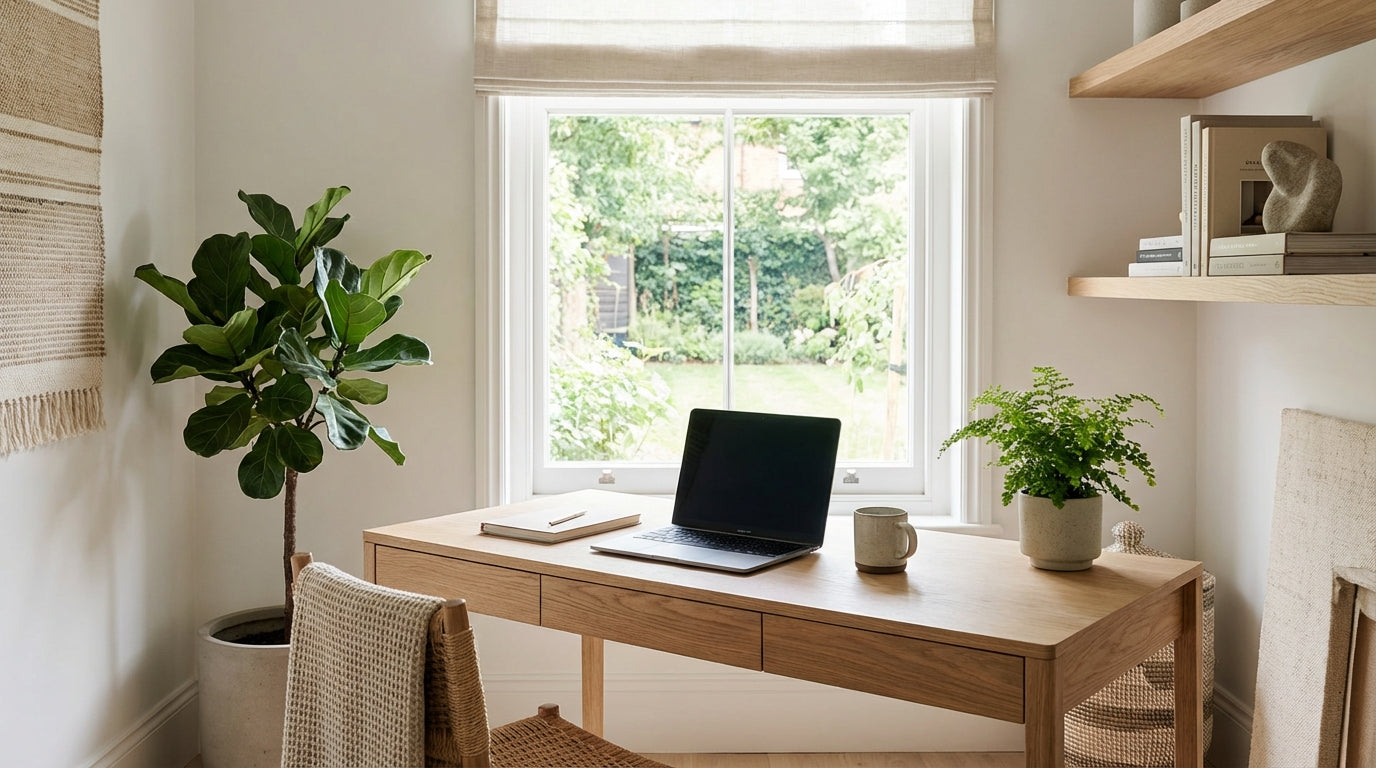
The goal of a low-arousal environment is to minimize the number of "micro-distractions" that pull a person out of a deep work state. Reducing sensory overload in home office design starts with the primary surface of the workspace: the desk. If a desk is visually overwhelming or difficult to operate, it becomes a source of friction rather than a tool for success. By choosing furniture that prioritizes smart minimalism, you remove the mental hurdles that often lead to procrastination or anxiety.
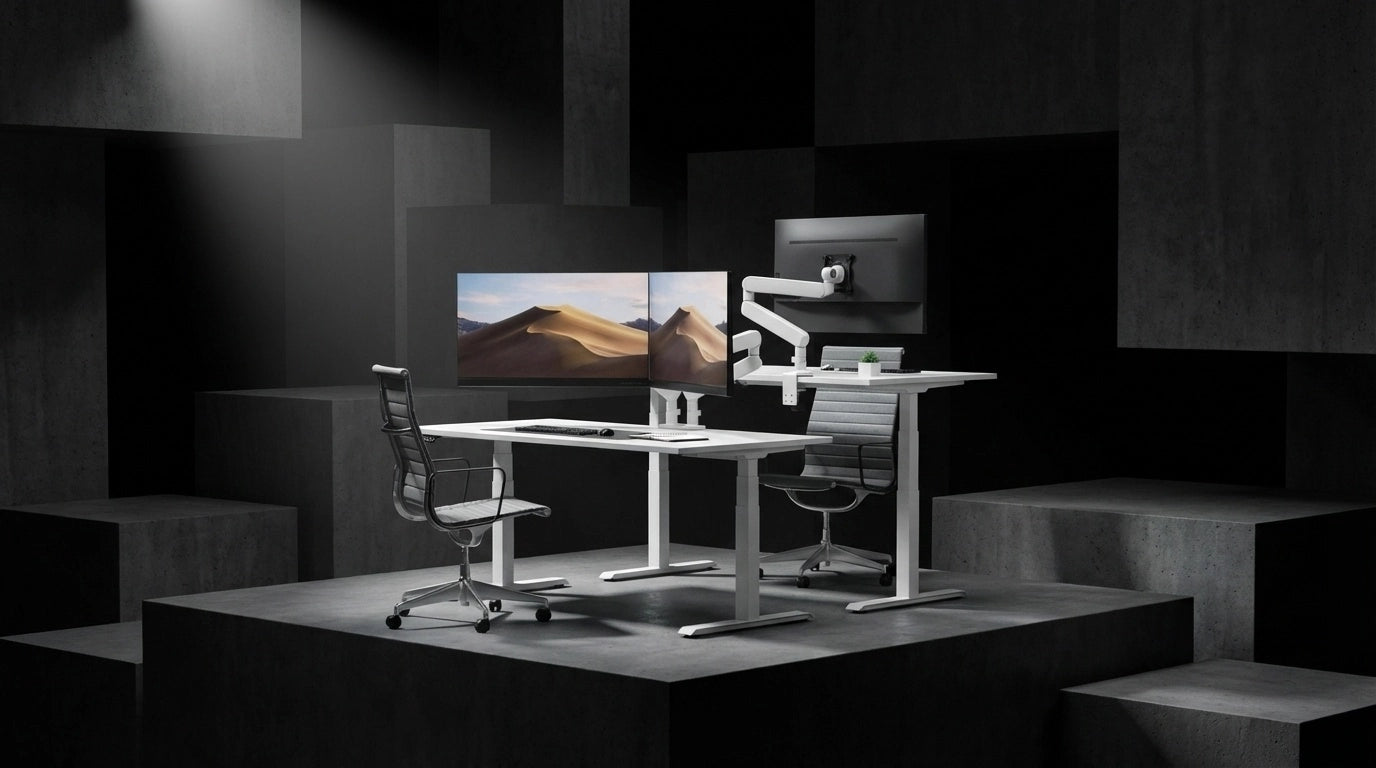
This is precisely where the Lunar standing desk for smart minimalism becomes an essential component of a neuro-inclusive setup. Its design philosophy centers on seamless control and a clean, unobtrusive aesthetic. By integrating intuitive height adjustments and a minimalist frame, the Lunar desk allows the user to focus entirely on their tasks without being distracted by unnecessary complexity or visual "loudness." The ability to transition from sitting to standing with a single, smooth motion also provides a vital cognitive "reset," helping to clear mental fog without the need to step away from the workspace.
Implementing smart minimalism in your neuro-inclusive home office design involves several key strategies:
- Cable Management: Hiding wires to eliminate visual chaos and reduce the "clutter-induced" stress response.
- Intuitive Controls: Using furniture with simple, tactile interfaces that don't require high cognitive effort to operate.
- Neutral Palettes: Utilizing calming colors and clean lines to create a steady, low-arousal background for high-focus work.
Investing in high-quality, minimalist tools is a long-term commitment to your mental well-being. To ensure that your workspace remains a reliable sanctuary for years to come, Sunaofe provides comprehensive support through the Sunaofe warranty, giving you peace of mind that your environment is built to last. When you remove the physical and visual obstacles in your office, you create a space where the brain can finally rest its "filtering" muscles and dedicate its full power to the work that matters. In the intersection of ergonomics and aesthetics, smart minimalism isn't just a design choice—it's a productivity strategy.
Movement as a Tool for Regulation
For many neurodivergent adults, the traditional demand to "sit still" is actually counterproductive to deep work. In a neuro-inclusive home office design, movement is viewed not as a distraction, but as a vital tool for self-regulation. Research conducted by the University of Central Florida suggests that for individuals with ADHD, physical activity—even micro-movements like fidgeting or shifting—is necessary to maintain cognitive performance and alertness.
When executive dysfunction kicks in and the brain feels "stuck," a physical change in perspective can be transformative. This is one of the primary standing desk benefits for executive dysfunction. Transitioning from sitting to standing doesn't just change your posture; it acts as a neurological "reset" button. This shift in height increases blood flow and provides a fresh sensory environment, which can help break through mental blocks and re-engage the brain with the task at hand. By moving the body, you are effectively signaling to the brain that it is time to transition into a new phase of productivity.
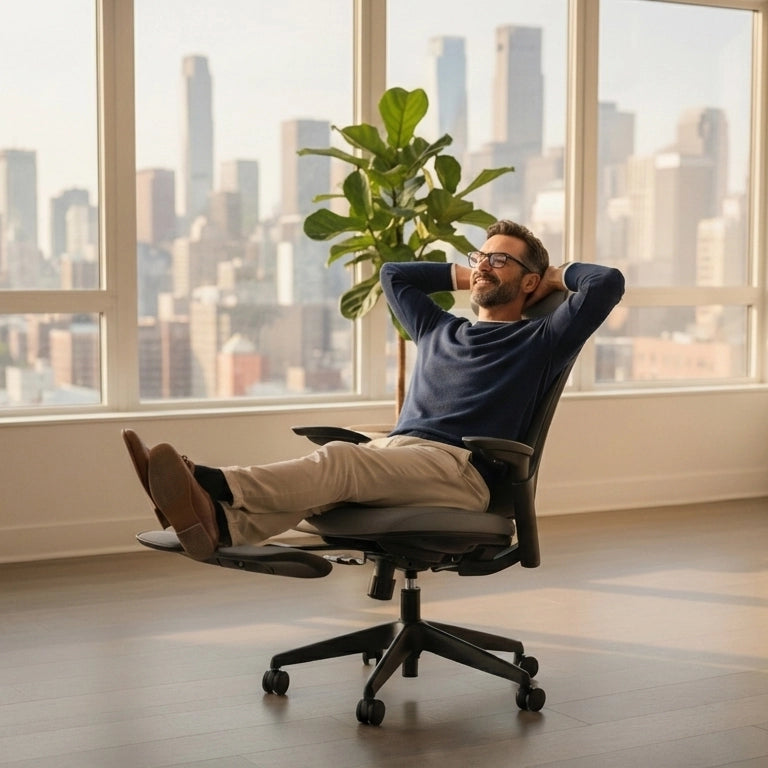
Furthermore, active sitting solutions for neurodiverse adults play a crucial role in daily regulation. A chair should not be a cage; it should be a flexible partner. For those who need to rock, recline, or shift to stay engaged, the chair must provide "dynamic" rather than "static" support. This is why the Morph's auto-tracking lumbar support is so effective in a neuro-inclusive home office design. It ensures that as you move to find focus, the chair follows you, providing continuous proprioceptive feedback that tells your nervous system it is safe and supported.
Designing a workspace that encourages these micro-movements requires intentionality. It means choosing tools that don't punish you for being restless. To integrate movement into your workspace, consider the following:
- Postural Variety: Alternate between sitting and standing every 30–60 minutes to keep the nervous system alert and prevent physical stagnation.
- Responsive Ergonomics: Prioritize furniture that moves with the user, allowing for natural fidgeting without compromising spinal health.
- Clearance and Flow: Ensure your desk area has enough "leg room" to allow for stretching or shifting positions without hitting obstacles, which can cause sensory irritation.
By embracing movement as a regulatory tool, you move away from the exhausting "masking" behavior of trying to sit perfectly still. Instead, you create a neuro-inclusive home office design that honors how your brain actually works. At Sunaofe, we design our products to be partners in this movement, ensuring that your physical needs never stand in the way of your professional potential.
Building a Long-term Supportive Environment
Creating a neuro-inclusive home office design is far more than a simple home improvement project; it is a fundamental investment in your professional sustainability and personal well-being. For remote workers who navigate the complexities of ADHD, autism, or other sensory processing differences, the physical environment plays a disproportionate role in preventing burnout. When a workspace is poorly matched to a user’s neurological needs, the constant sensory friction acts like a slow leak of mental energy, eventually leading to chronic exhaustion and a decline in job satisfaction.
Investing in high-quality, neuro-inclusive workspace furniture for remote workers is a form of proactive self-care. It acknowledges that your brain requires specific conditions to function at its peak. According to the Job Accommodation Network (JAN), a service provided by the U.S. Department of Labor, environmental modifications—such as ergonomic seating and adjustable workstations—are essential accommodations that can significantly improve the work-life quality of neurodivergent individuals. By prioritizing these elements, you are building a foundation that supports your career longevity rather than working against it.
A critical component of this long-term support is the reliability and predictability of the furniture itself. For someone with sensory sensitivities, a sudden squeak in a chair or a slight wobble in a desk isn't just a minor annoyance; it is a jarring sensory event that can derail focus for the rest of the day. This is why Sunaofe emphasizes the intersection of ergonomics and aesthetics with a commitment to premium build quality. We understand that "peace of mind" is a functional requirement for a neuro-inclusive home office design. To ensure your workspace remains a stable sanctuary, we offer Sunaofe’s comprehensive warranty, guaranteeing that your tools for focus remain as reliable on day 1,000 as they were on day one.
A supportive environment also helps mitigate decision fatigue. When your furniture is intuitive and responsive, you spend less time "managing" your physical surroundings and more time engaging with your creative or professional goals. A long-term supportive workspace should offer:
- Durability: Materials that withstand constant use without losing their supportive properties or tactile consistency.
- Predictability: Mechanisms that operate smoothly and quietly to avoid startling or distracting the user.
- Adaptability: The ability to refine your setup as your sensory needs or professional responsibilities evolve over time.
Ultimately, a neuro-inclusive home office design is about creating a space where you feel safe, supported, and empowered. By choosing furniture that honors your unique neurological profile, you are not just setting up an office—you are crafting an ecosystem that fosters resilience and allows your true talents to shine. At Sunaofe, our goal is to provide that sense of security, allowing you to "So Now Feel" truly at home in your work.
Conclusion
The journey toward a truly productive remote career begins with acknowledging that our brains do not all work the same way. As we have explored throughout this guide, a neuro-inclusive home office design is not a luxury—it is a vital infrastructure for the modern professional. By balancing the rigorous demands of ergonomics with the calming influence of minimalist aesthetics, we create a space that doesn't just hold our bodies, but actively supports our cognitive processes. Whether it is through the proprioceptive feedback of adaptive seating or the reduction of visual noise via smart minimalism, every element of your office should serve a singular purpose: the preservation of your mental energy.
Sunaofe’s commitment to the "So Now Feel" philosophy is rooted in this deep understanding of human diversity. We recognize that the intersection of ergonomics and aesthetics is where true wellness resides. A workspace should be a place of empowerment, where the physical environment fades into the background because it is so perfectly aligned with your neurological needs. When you implement a neuro-inclusive home office design, you are choosing to prioritize your cognitive health, effectively reducing the sensory friction that so often leads to burnout and opening the door to a more sustainable, fulfilling work life.
It is important to remember that productivity is not just about the number of hours spent at a desk; it is about the quality of those hours. For the neurodivergent professional, that quality is directly tied to sensory regulation. A chair that moves with you and a desk that clears the clutter are more than just furniture—they are tools for emotional and cognitive stability. By investing in a workspace that honors your unique neurological profile, you are making a long-term commitment to your professional longevity and personal happiness.
Ultimately, your home office should not be a place where you merely "get things done" while fighting against your environment. It should be a sanctuary—a place where you feel supported, grounded, and understood. By moving away from the rigid, outdated standards of traditional office setups and embracing a more adaptive, sensory-friendly approach, you are giving yourself the ultimate professional advantage: an environment that works as hard as you do.
As you continue to refine your setup, remember that the best design is the one that allows you to show up as your most authentic self. At Sunaofe, we are proud to provide the tools that make this possible, ensuring that your health and your home’s aesthetic never have to be at odds. Your focus is your most valuable asset; it’s time to build a workspace that protects it.

Leave a comment
All comments are moderated before being published.
This site is protected by hCaptcha and the hCaptcha Privacy Policy and Terms of Service apply.