


Introduction
The sterile, all-white workspace that dominated 2025 is officially stepping aside. As of July 2026, the focus has shifted toward "warm minimalism"—a design philosophy that prioritizes human-centric comfort over the clinical, server-room aesthetic of the past. For remote professionals and creatives, the goal is no longer just to build a clean backdrop for social media, but to create a functional sanctuary that balances high-end visuals with sustainable physical health.

The transition from a cold, monochromatic workspace to a cozy, inviting environment is driven by a simple realization: a desk is where most knowledge workers spend the majority of their day. When a setup feels too stark, it can inadvertently increase the feeling of isolation. By softening the edges of a traditional white desk setup aesthetic with natural textures, wood accents, and intentional lighting, you transform a place of productivity into a space that supports well-being.
Achieving this balance requires more than just picking the right furniture; it requires a shift in how you organize your tools. The modern standard now emphasizes "seamless tech disappearance." This means that while your desk should look tidy, it must also be equipped with advanced, hidden support systems. You want your equipment to feel like it is floating rather than cluttering your workspace.
To build a truly effective workspace this summer, consider these core pillars:
- Human-Centric Ergonomics: Prioritize furniture that adapts to your body's natural movements. A static desk is no longer the standard; professionals are increasingly integrating sit-stand technology to reduce the physical toll of long hours.
- Visual Cohesion: Move away from bright, reflective surfaces that cause eye strain. Introduce matte finishes, soft textiles, and warm-toned materials to ground the space.
- Invisible Infrastructure: Use modular mounting systems to lift monitors off the desk surface. This clears the visual noise and provides the physical freedom to adjust your screens for optimal neck and eye alignment.
The most successful workspaces in 2026 are those that feel effortless. By blending the crisp, clean look of white hardware with the warmth of organic design, you create a home office that works as hard as you do, without sacrificing the comfort needed to sustain focus throughout the day. This guide will explore how to curate that transition, ensuring your desk remains both a visual centerpiece and a robust tool for your professional life.
The Evolution of the White Home Office Setup
The shift toward warm minimalism marks a departure from the clinical, monochromatic workspaces that defined previous years. While the white desk setup aesthetic remains a popular foundation for its ability to reflect light and create a sense of openness, the 2026 approach softens these edges to foster a more human-centric environment.
Integrating Texture and Natural Elements
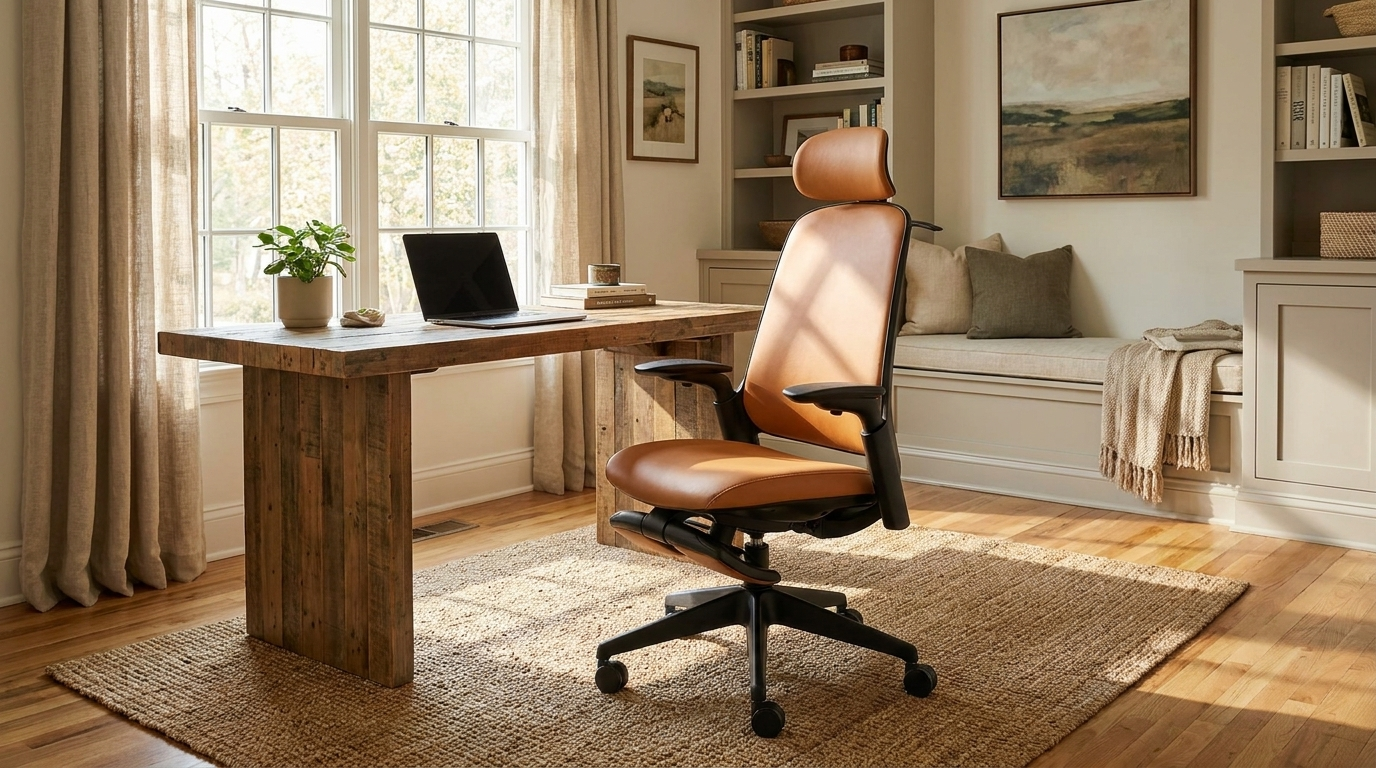
Transitioning to a modern white desk setup with wood accents involves breaking up the starkness of metal and laminate surfaces. Instead of relying on a purely white palette, consider these design adjustments:
- Warm Wood Accents: Introducing walnut or oak drawer pedestals, monitor stands, or even small desktop accessories creates a grounding effect. Natural wood tones complement white frames, preventing the office from feeling like an institutional space.
- Ceramic and Organic Textures: Incorporating matte ceramic planters or stone-based organizers adds tactile variety. These materials offer a subtle contrast to the glossy surfaces of modern monitors and peripherals, making the desk feel less like a laboratory and more like a curated home workspace.
- Layered Lighting: Move away from harsh, overhead cool-toned lighting. Using warmer color-temperature desk lamps or ambient bias lighting behind your monitor helps reduce eye strain during long sessions and aligns with the cozy, sanctuary-like atmosphere of current design trends.
Prioritizing Wellness Zones
A functional home office extends beyond the surface of the desk. As remote work becomes a long-term reality for a significant portion of the workforce, the "wellness zone" has moved from a luxury to a requirement.
- Natural Light Optimization: Position your desk near a window to leverage natural light. This not only enhances the visual appeal of a white-toned office but also helps maintain circadian rhythms, which is essential for sustained energy and focus.
- Ergonomic Foundations: A beautiful desk setup is only sustainable if it supports physical health. Integrating ergonomic essentials—such as a chair designed for long-term spinal support—ensures that the "warm" aesthetic does not come at the cost of your posture. For those looking to refine their space, exploring design insights on resimercial trends can offer guidance on balancing professional performance with residential comfort.
- Greenery Integration: Adding soft, leafy plants provides a necessary visual break from digital screens. The vibrant green against a white background acts as a natural focal point, contributing to the overall calm of the room.
By focusing on these sensory details, the evolution of the white home office setup moves toward a balanced, inviting space that supports both productivity and personal well-being. The goal is to curate a environment that feels intentionally designed rather than merely assembled.

Choosing the Right Anchor: Ergonomic Chairs for White Desks
A chair is the centerpiece of any functional workspace, and in a white desk setup aesthetic, it serves as the bridge between visual cohesion and physical well-being. When you move away from the sterile, all-white look of the past, your seating choice should act as a grounding element rather than a distraction.
Balancing Form and Function
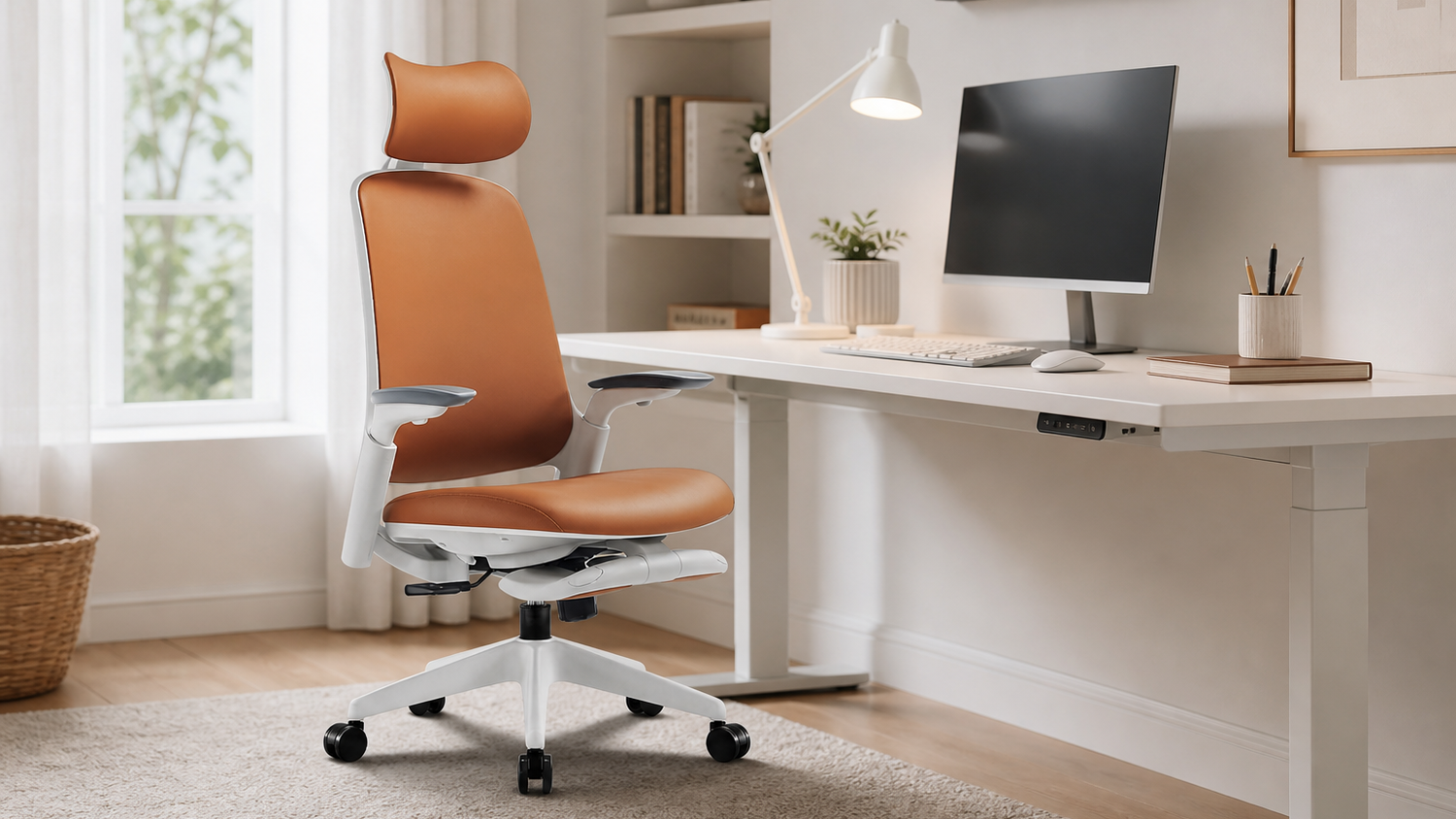
The most effective minimalist WFH desk designs avoid bulky, overly technical-looking chairs that disrupt the flow of a room. Instead, look for silhouettes that feature sleek lines, high-quality materials, and a refined color palette. A chair with a white frame can seamlessly extend the clean, open feel of a desk, while a darker or neutral-toned mesh back provides the necessary visual weight to anchor the space.
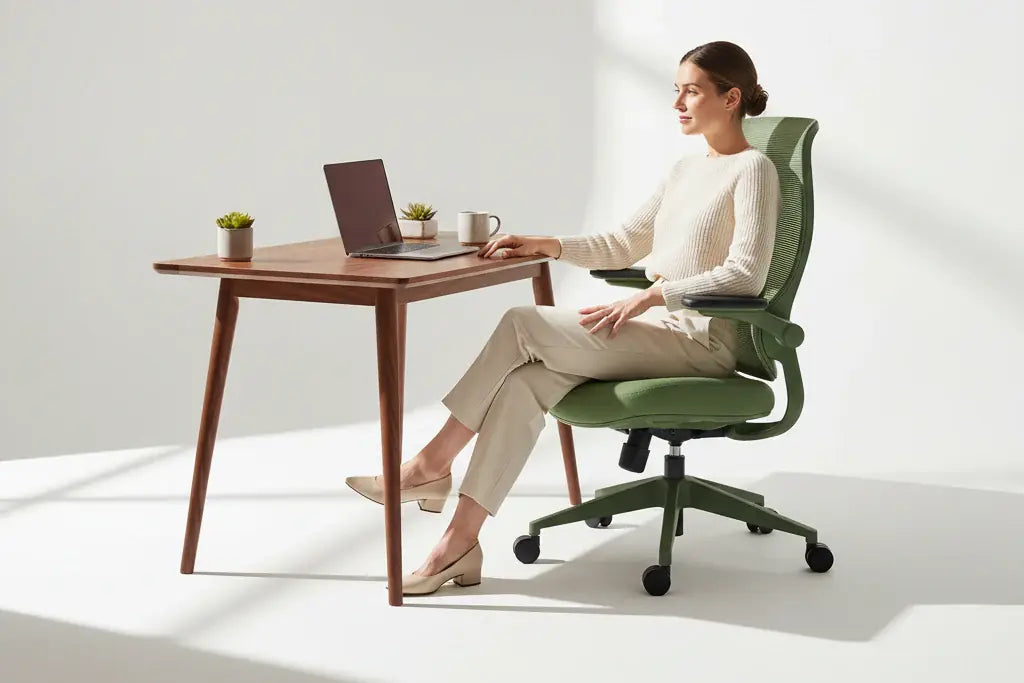
The goal is to select an ergonomic chair for a white desk setup that supports active movement. Advanced support systems, such as those found in the Morph collection, are designed to adapt to the user’s spine in real-time. By utilizing dynamic tracking and flexible lumbar support, these chairs ensure that you maintain proper posture throughout the day without needing to constantly adjust knobs or levers.
Why Adaptive Support Matters
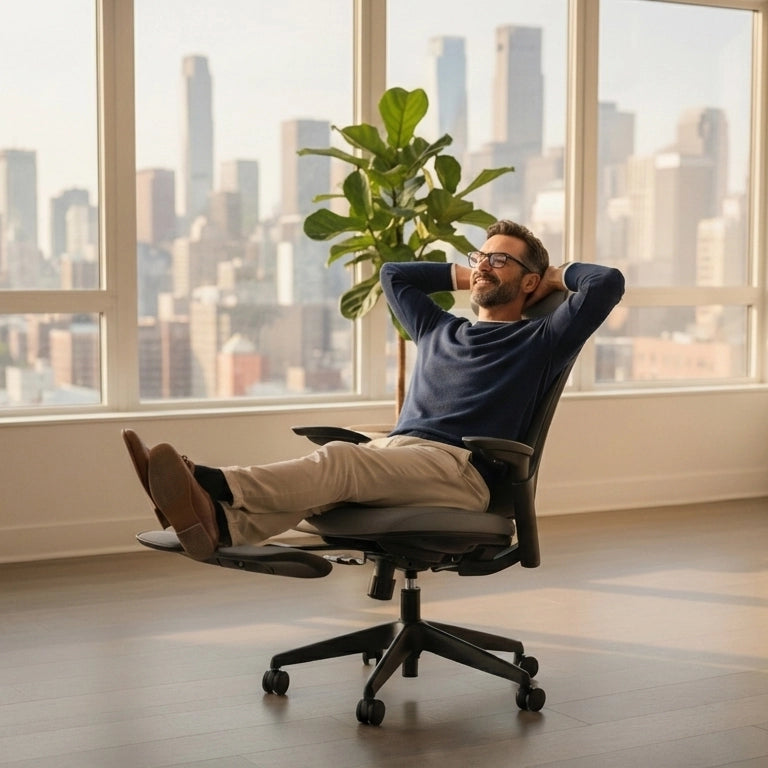
Modern work habits require chairs that move with the user. Features like 7D adjustable armrests and extended backrests accommodate a wide range of body types and working styles, which is essential for long-term health.
- Dynamic Alignment: Chairs with auto-tracking lumbar systems provide continuous support as you shift between tasks, such as typing, reading, or taking calls.
- Armrest Versatility: High-degree adjustability allows you to tuck your chair perfectly under your desk, keeping the area clear when not in use.
- Material Integrity: High-elastic mesh or premium vegan leather finishes provide durability while maintaining a professional appearance that complements modern interior design.
When choosing your seating, prioritize adjustability that feels intuitive. The best chairs don't just look like a piece of office furniture; they function as a tool that enhances your focus. By investing in a chair that balances a sophisticated, modern aesthetic with robust ergonomic engineering, you create a workspace that is both visually harmonious and physically supportive. This thoughtful approach to your seating foundation ensures that your home office remains a sanctuary for productivity, rather than a source of fatigue.
Seamless Tech Disappearance: The New Standard
Visual noise is the enemy of focus. As of July 2026, the industry has seen a definitive shift toward "seamless tech disappearance," where the goal is to make hardware feel like a natural extension of the room rather than a collection of equipment. The days of tangled cables and cluttered surfaces are ending; the new standard for a high-end white desk setup aesthetic is defined by what you don't see.
The Power of Floating Displays
Mounting monitors is the most effective way to reclaim square footage. When displays are lifted off the desktop, the immediate result is an airier, more spacious environment. This approach is central to the "invisible tech" movement, as it clears the path for natural light to hit the desk surface without being blocked by bulky monitor stands.
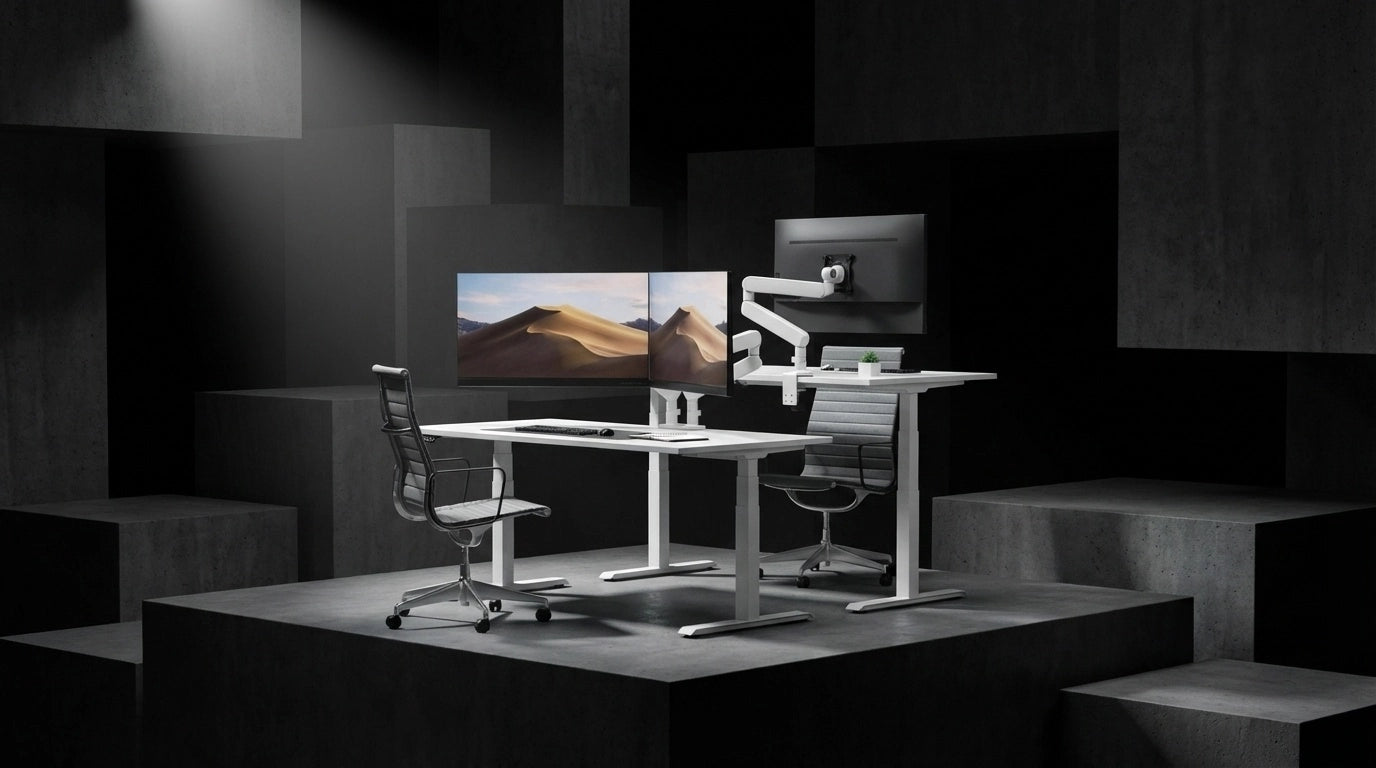
By utilizing a dual-arm monitor system, you can achieve precise, floating alignment for your screens. This creates a "clean aesthetic desk ideas" approach that prioritizes negative space. With full-motion flexibility—including swivel, tilt, and rotation—your monitors can be positioned exactly where they need to be for ergonomic comfort, then tucked away when you need the desk for non-digital work.
Essential Strategies for Cable Control
Achieving a minimalist look requires more than just high-end furniture; it demands a disciplined approach to cable management. To master white desk cable management tips for a clean aesthetic, follow these practical steps:
- Vertical Routing: Use monitor arms that feature integrated cable channels. This keeps power and data cords hidden along the arm itself, preventing them from dangling behind your workspace.
- Surface Minimalism: An ergonomic white standing desk setup thrives on simplicity. By routing all cables through a single management sleeve or under-desk tray, you keep the workspace footprint clear of cords.
- Wireless Peripheral Integration: Where possible, opt for wireless keyboards and mice to further reduce the number of cables snaking across your desk.
Why Tech Disappearance Matters
The trend toward seamless integration is more than just a visual preference; it is a response to how we work today. With 58% of US knowledge workers now operating in hybrid or remote roles, the home office has become a permanent, long-term investment. A workspace that feels cluttered with wires and bulky stands can contribute to mental fatigue, whereas a curated, "invisible" setup fosters a sense of calm.
When your tech is organized and out of sight, your desk becomes a versatile sanctuary. Whether you are adjusting your height for a mid-day posture shift or clearing space for creative projects, the foundation remains consistent, clean, and entirely supportive of your daily flow. By removing the physical barriers between you and your work, you create a more intentional environment that supports both your productivity and your peace of mind.
Prioritizing Wellness in Your 2026 Workspace
Prioritizing physical health is no longer a secondary consideration for the home office; it is the foundation of long-term professional success. As remote and hybrid work models continue to dominate the landscape, with 58% of US knowledge workers currently operating outside of traditional offices, the integration of movement into the workday has transitioned from a luxury to a baseline requirement for maintaining focus and preventing strain.
Movement as a Design Principle
A truly functional white desk setup aesthetic for remote work does more than look polished—it actively facilitates movement. The most effective way to encourage a dynamic posture is to incorporate a height-adjustable standing desk that allows for seamless transitions between sitting and standing.
When your primary workspace is designed for mobility, you reduce the physical cost of long hours. To keep your environment feeling like a "warm minimalist" sanctuary rather than a cold clinical station, consider these styling strategies:
- Zone-Based Organization: Create specific zones for different tasks. Keep your primary writing area clear of non-essential peripherals, using vertical space for lighting or greenery to draw the eye upward and encourage a change in head position.
- Active Accessories: Integrate tools that require manual adjustment, such as modular monitor arms. Being able to physically tilt, swivel, or pivot your display to match your current posture—whether you are standing or reclined—prevents the static "hunch" that often leads to neck fatigue.
- Softening the Hardware: Pair white desk surfaces with natural textures like woven desk mats or soft-touch ceramic organizers. These elements provide a tactile contrast to the sleekness of ergonomic gear, ensuring the office feels like a living space.
Productivity Through Ergonomic Flow
The minimalist white office decor for productivity relies on the idea that a clear space leads to a clear mind. However, clutter isn't just visual; it is also physical. If your chair or desk setup forces you into a rigid, uncomfortable position, your ability to sustain deep work diminishes.
Instead of choosing gear that is purely decorative, prioritize furniture that offers active support. Modern ergonomic chairs are now engineered to mimic the spine's natural alignment, offering dynamic lumbar support that adjusts as you shift your weight. By removing the need to constantly fiddle with manual levers, you allow your body to move naturally throughout the day.
When your furniture supports your physiological needs, the "white desk setup aesthetic" becomes a background for your best work rather than a restrictive environment. By blending high-performance ergonomic features with a soft, warm visual palette, you create a workspace that sustains both your physical energy and your creative focus. This balance is the hallmark of the modern 2026 professional, where the tools of the trade are designed to disappear, leaving only the comfort and clarity required to get the job done.
Conclusion
The transition toward warm minimalism represents more than a fleeting trend; it is a fundamental shift in how we perceive the intersection of productivity and personal sanctuary. By moving away from the clinical, monochromatic look that prioritized pure brightness over comfort, you gain the freedom to build a space that feels lived-in, sustainable, and uniquely yours.
Curating for Longevity and Balance
Achieving a balanced white desk setup aesthetic requires intentionality. The goal is to harmonize high-performance hardware with materials that introduce warmth—such as natural wood, soft textiles, and ambient lighting. When you prioritize items that serve a clear ergonomic purpose without sacrificing visual harmony, you create an environment that encourages sustained focus rather than immediate visual fatigue.
Consider the following principles for a lasting, human-centric workspace:
- Prioritize Modularity: Your professional needs will evolve. Investing in modular equipment allows your desk to grow alongside your business or creative projects, ensuring that your initial investment remains relevant for years rather than months.
- Invest in Quality Materials: Opting for durable, water-resistant surfaces or premium finishes ensures that your workspace maintains its integrity despite daily use. Quality materials not only look better over time but also provide a tactile experience that enhances your daily routine.
- Focus on Seamless Integration: The most effective setups are those where the technology is present but unobtrusive. By utilizing tools that clear the visual path—such as monitor arms that allow for a clean, floating display—you maintain the airy feel of a white workspace while gaining the functional benefits of an organized, distraction-free surface.
Your Workspace as a Personal Sanctuary
Ultimately, your desk is the command center for your professional life. It should be a place where you feel grounded and capable. As you refine your setup, remember that the "perfect" office is not one that mimics a showroom, but one that actively supports your physical health and mental clarity. By combining the clean lines of modern white furniture with the grounding textures of a warm minimalist approach, you create a sanctuary that fosters both high-level output and personal well-being.
Take the time to curate each piece with care. A thoughtful, well-integrated office is an investment in your long-term comfort and professional success. Whether you are refreshing a single corner or designing a new home office from the ground up, focus on the balance between form and function to ensure your space remains a source of inspiration well into the future.
Frequently Asked Questions
How do I make a white desk setup look cozy instead of clinical?
To transition from a clinical feel to warm minimalism, incorporate natural wood accents, soft textiles, and ambient warm-toned lighting. This 2026 design shift focuses on layering textures to soften the starkness of an all-white workspace.
What is the best way to hide cables in a white minimalist desk setup?
The new standard for white workspaces is 'seamless tech disappearance,' which involves using under-desk cable trays and magnetic raceways that match your desk's finish. By routing wires through the furniture legs or using wireless charging pads, you can maintain a clean, distraction-free surface.
What are the latest wellness trends for home office setups in 2026?
The 2026 desk refresh emphasizes creating dedicated wellness zones by maximizing natural light and incorporating air-purifying plants. These adjustments are increasingly popular as hybrid and remote workers invest in home office environments that support both productivity and mental well-being.
Is an all-white desk setup better than a wood-toned desk for productivity?
While an all-white setup is often chosen for its ability to brighten a room and reflect natural light, wood-toned desks are frequently preferred for their inherent warmth. The current trend of 'warm minimalism' suggests that the best setup actually combines both, using a white base with wood accessories to balance aesthetics with a comfortable, professional atmosphere.
Why are remote workers investing more in their desk setups in 2026?
With 58% of US knowledge workers now operating in hybrid or remote roles, the home office has become a permanent fixture rather than a temporary solution. This shift has driven long-term investments in high-quality, ergonomic, and aesthetically pleasing setups that align with modern lifestyle needs.

Leave a comment
All comments are moderated before being published.
This site is protected by hCaptcha and the hCaptcha Privacy Policy and Terms of Service apply.