



Introduction: The 2026 Shift in Maternal Ergonomics
The 2026 workplace landscape has reached a turning point: for expectant mothers, the generic office chair is no longer just uncomfortable—it is becoming obsolete. As of August 2026, the industry has shifted its focus toward "maternal ergonomics," prioritizing specialized, active support systems over the static designs that dominated the market in previous years.

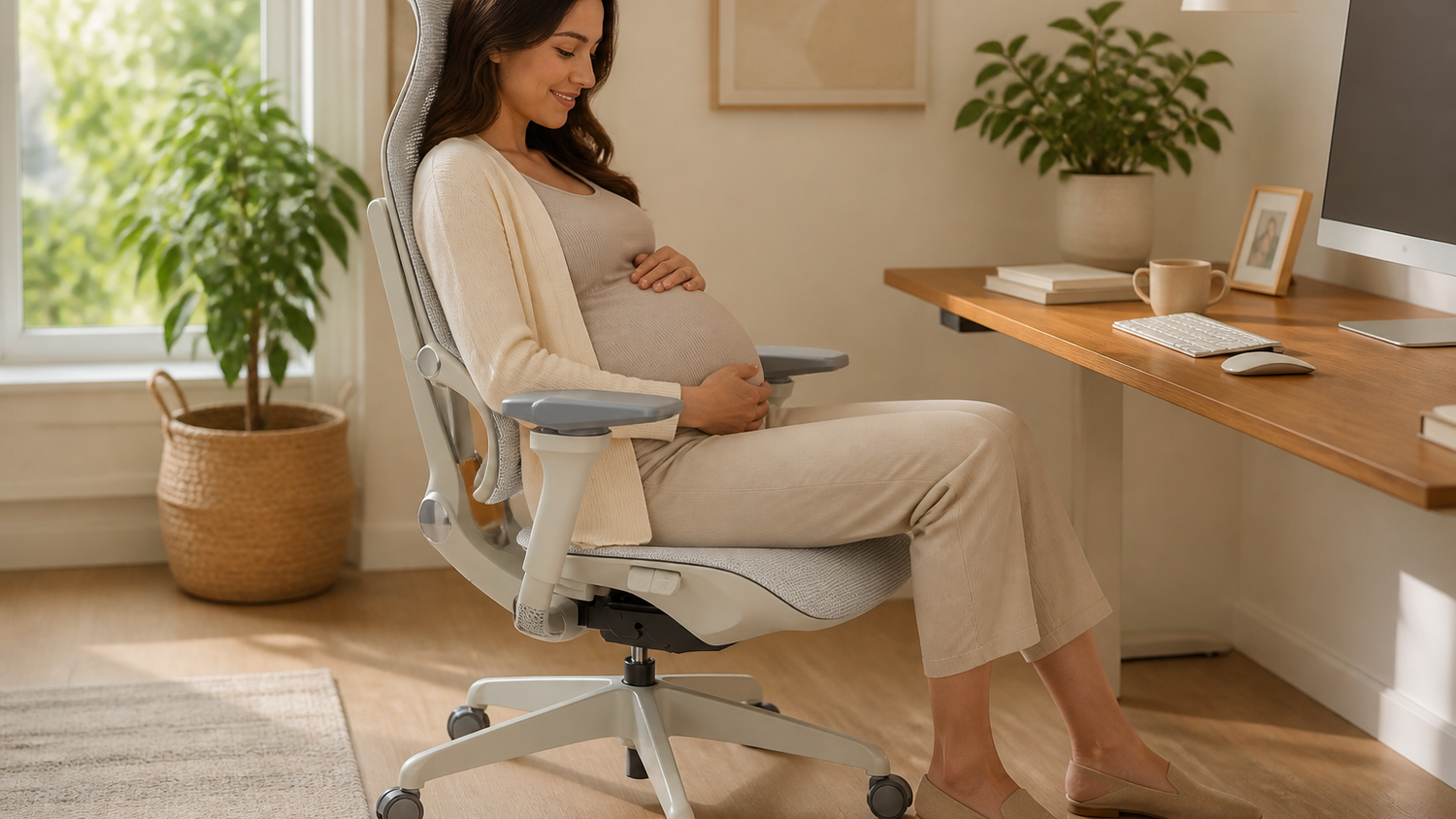
For many professionals, the second trimester marks a definitive transition where a standard desk setup fails to accommodate a shifting center of gravity. When you are balancing career deadlines with the physical demands of pregnancy, your workstation should function as essential health equipment rather than mere office furniture. Relying on outdated, rigid seating often compounds common issues like sciatica, persistent pelvic pressure, and circulation-related leg edema.
Why Static Seating Fails During Pregnancy
The core problem with traditional office chairs is their inability to adapt to the body’s changing geometry. By week 16, the physical changes of pregnancy often render standard, non-adjustable backrests ineffective. Without the ability to track the spine’s movement, these chairs create an "empty waist" gap, forcing the lower back into unnatural postures that aggravate nerve pain.
Furthermore, the 2026 market standards have highlighted the critical need for advanced thermal management. Pregnancy-related temperature sensitivity requires seating materials that offer high breathability—specifically those exceeding the 300 CFM (Cubic Feet per Minute) threshold—to prevent discomfort during long work sessions.
The Rise of Active Support
The modern approach to maternal workspace design focuses on three pillars that define the search for the best office chair for pregnancy:
- Dynamic Lumbar Alignment: Instead of a fixed cushion, active tracking systems move with the user, ensuring the lumbar region remains supported even as posture shifts throughout the day.
- Pressure Distribution: High-quality ergonomic chairs now utilize synchro-tilt mechanisms that allow for frequent, dynamic position changes, which is vital for alleviating pelvic strain and reducing the likelihood of swelling in the lower extremities.
- Modular Adaptability: The ability to customize armrest height, seat depth, and recline angle is no longer a luxury; it is a functional requirement for maintaining a neutral spine as the body changes.
Treating your office chair as a proactive health tool rather than a passive object is a shift that pays dividends. Recent analysis suggests that the payback period for investing in a high-quality, ergonomic workstation—measured in improved focus, reduced physical fatigue, and long-term health benefits—is roughly 0.89 years. By upgrading to a system designed to handle the unique physiological requirements of pregnancy, you are not just making your workday more manageable; you are investing in the comfort and stability required to sustain your professional performance throughout your journey.
Why Movement is Medicine: Managing Sciatica and Pelvic Pressure
As the physical changes of pregnancy progress, particularly after week 16, the static nature of standard office seating becomes a primary contributor to musculoskeletal strain. When you remain in a fixed position, your pelvis is forced to bear the brunt of your shifting center of gravity. This often leads to increased pressure on the lower back and restricted blood flow, which can exacerbate the discomfort associated with sciatica and leg swelling.
The Problem with Static Seating
Traditional office chairs are designed for a neutral, unchanging posture. However, during pregnancy, your body requires a dynamic interface that moves with you. When a chair lacks the ability to adjust to your micro-movements, your muscles must work harder to stabilize your torso, leading to early fatigue. For many expectant mothers, finding the best office chair for pregnancy means looking for a system that transitions away from rigid, "locked" setups in favor of fluid, responsive support.
How Synchro-Tilt Mechanisms Provide Relief
To alleviate pelvic pressure, the ability to shift your angle throughout the day is non-negotiable. A high-quality synchro-tilt mechanism allows the backrest and seat to recline in a coordinated ratio. This motion opens up the hip angle, which helps reduce the compression on the pelvic floor and lower abdomen. By incorporating frequent, subtle changes in your recline angle—up to 140° in advanced configurations—you can effectively distribute weight more evenly, preventing the localized pressure that triggers sharp nerve pain.
Closing the "Empty Waist" Gap
As your posture changes, the natural curve of the lumbar spine often loses support, resulting in an "empty waist" gap between your back and the chair. This is where specialized lumbar tracking becomes essential. Rather than relying on a static cushion that may not align with your current curvature, an auto-tracking lumbar system maintains continuous contact with your spine. This active alignment ensures that as you lean forward to type or recline to rest, your lower back remains supported, mitigating the strain that leads to chronic lumbar fatigue.
Movement as a Daily Practice
Ergonomic experts emphasize that even the most advanced equipment is only as effective as the way it is used. The goal is to avoid prolonged periods of stillness. By utilizing chairs that offer dynamic, adaptive support, you can facilitate the micro-movements necessary to keep blood circulating through your legs, which is a critical strategy for managing edema. When your chair acts as a partner in your movement rather than a constraint, you significantly reduce the physical tax of a long workday, allowing you to maintain focus while prioritizing your musculoskeletal health.

Thermal Regulation: Staying Comfortable During Long Work Sessions
Temperature regulation is a frequently overlooked but critical element of maternal ergonomics. As body temperature fluctuates, especially during the second and third trimesters, the ability to maintain a consistent, comfortable micro-climate becomes essential for focus and productivity. In 2026, the standard for a high-performing home office has evolved, with experts now emphasizing that a chair's breathability—often measured by airflow capacity—is as vital as its lumbar support.
The Thermal Challenge in the Home Office
Expectant mothers often experience increased metabolic rates, which can make long work sessions in front of a computer feel stifling. Standard foam-padded chairs trap body heat, creating a "heat sink" effect that exacerbates discomfort and irritability. When you are already managing physical fatigue, the added stress of thermal discomfort can make it difficult to maintain concentration throughout the day.
For the modern WFH professional, the best office chair for pregnancy in 2026 is one that actively promotes airflow. Rather than relying on traditional solid materials that block ventilation, advanced ergonomic designs now utilize high-elastic mesh. This material allows for continuous air circulation, effectively dissipating heat and moisture to keep you cool during extended periods of sitting.
Why High-Elastic Mesh is the New Standard
The shift toward high-elastic mesh is not merely an aesthetic choice; it is a functional necessity for temperature management. This material offers several distinct advantages for pregnant users:
- Continuous Airflow: Unlike synthetic leather or thick fabric, mesh creates a porous barrier that allows for a significant volume of air to pass through the backrest and seat, preventing the buildup of trapped heat.
- Pressure Distribution: High-elastic mesh conforms to the body’s contours without the need for thick, heat-retaining foam. This provides a supportive, weightless sensation that helps reduce pressure points while maintaining a breathable interface.
- Durability and Hygiene: Because mesh does not harbor moisture in the same way as foam, it remains a more hygienic option for daily use, keeping your workspace feeling fresh and comfortable even on the warmest days.
By prioritizing materials that offer superior breathability, you can significantly reduce the physical tax of long working hours. Integrating a chair that facilitates passive cooling allows you to focus on your professional objectives while ensuring your home office environment supports your changing physiological needs. Choosing an office chair that bridges the gap between sophisticated aesthetics and advanced thermal regulation is a hallmark of the modern, health-conscious maternal workspace.
The 'Work-to-Rest' Hybrid Setup: Features That Matter
Effective maternal ergonomics requires a workspace that acts as a partner in your daily routine rather than a rigid structure. When selecting the best office chair for pregnancy, the priority is identifying features that facilitate frequent, effortless adjustments to your changing center of gravity.
The Power of the 140-Degree Recline
The ability to transition from an upright, focused position to a relaxed, reclined angle is crucial for managing the physical demands of the second and third trimesters. A deep recline, such as one reaching 140°, allows for essential micro-breaks throughout the workday. By shifting the angle of your seat, you can alleviate the persistent pelvic pressure that builds up during long hours of data entry or video conferencing. These brief periods of reclined rest help decompress the spine and allow for a necessary change in blood flow, which is vital for preventing the fatigue that often sets in by midday.
Versatility Through 7D Armrest Adjustability
Pregnancy often necessitates frequent shifts in posture to find relief, yet standard armrests are rarely capable of keeping up. Advanced 7D armrests are designed to match any setup, providing support that moves with your body. Whether you need to pull your chair closer to your desk to maintain a neutral spine or angle your arms to support a laptop, this level of flexibility ensures your shoulders and neck remain relaxed. By minimizing the muscular effort required to stabilize your upper body, you can focus more energy on your professional tasks.
Stability as a Foundation
Safety is the cornerstone of any ergonomic investment during this period. A chair featuring a robust 300 lbs weight capacity provides a stable, secure foundation that remains steady regardless of your changing weight distribution. This structural integrity is not just about durability; it provides peace of mind, ensuring that your seating won't shift unexpectedly when you need to adjust your position or stand up from your desk.
Strategic Adjustments for Your Workspace
Beyond the chair itself, the way you integrate your furniture into your daily routine makes a significant difference. Consider these practices to maximize your comfort:
- Frequent Micro-Movements: Even the most supportive chair cannot replace the need for movement. Use the recline mechanism to shift positions at least every 30 minutes to encourage circulation.
- Optimal Alignment: Always ensure your lumbar support is tracking with your lower back. The "empty waist" gap is a common source of pregnancy-related back pain, and a system that automatically adjusts to your movements helps maintain proper spinal alignment.
- Customization: Take the time to calibrate your armrests and seat height before each work session. A few seconds spent adjusting your settings to your current daily comfort level can prevent hours of strain.
For those looking to understand how these dynamics play into a broader healthy office environment, you can explore more about improving circulation while sitting at your desk. By prioritizing these adaptive features, you create a workspace that evolves alongside your needs, ensuring you remain comfortable and productive throughout your pregnancy.
Combating Edema and Improving Circulation
Leg edema and circulatory fatigue are frequent hurdles for pregnant professionals, particularly as the workday stretches into the afternoon. When sitting for extended periods, the pressure exerted by the chair’s edge against the back of the thighs can restrict venous return, contributing to the swelling of the feet and ankles.
To mitigate these issues, the design of your workstation must prioritize the mechanics of blood flow.
Adjustability as a Tool for Circulation
The foundation of managing edema lies in maintaining a neutral posture that prevents blood pooling. A seat height range that allows your feet to remain flat on the floor—with knees positioned slightly lower than or level with your hips—is non-negotiable. If your current setup forces you to perch on the edge of your seat or dangle your feet, you are likely restricting circulation.
The best office chair for pregnancy should provide a highly adaptable height range, such as the 18 to 21.8-inch adjustment found in advanced ergonomic models. This flexibility ensures that users of varying heights can achieve a configuration that keeps the lower extremities unrestricted.
Dynamic Movement to Combat Static Strain
Beyond height adjustment, the ability to shift positions is vital. Static sitting is the enemy of circulation; even minor, frequent adjustments to your posture act as a pump for your lymphatic and circulatory systems. Ergonomic chairs featuring a multi-stage locking base allow you to transition between a standard upright work posture and a slightly reclined position. This simple change of angle throughout the day helps redistribute your weight and relieves the constant pressure on the lower limbs.
When seeking an office setup that supports these needs, consider the following features to maintain healthy blood flow:
- Waterfall Seat Edges: Look for seat designs that feature a curved or "waterfall" front edge. This design reduces pressure on the underside of the thighs, which is critical for preventing the restriction of blood flow to the lower legs.
- Synchro-Tilt Mechanisms: A chair that allows for a synchronized recline ensures that as you lean back, the seat angle adjusts proportionately. This prevents the chair from pushing against your thighs or cutting off circulation behind the knees.
- Weight Distribution: A stable, high-capacity base ensures that as your center of gravity shifts, the chair remains secure. A robust, 300-lb capacity base provides the necessary stability to allow for natural, subtle movements without the fear of tipping or instability.
Integrating Active Seating
Managing pelvic pressure and leg swelling often requires a proactive approach to your daily routine. Rather than viewing your chair as a passive object, treat it as an extension of your health management plan. By utilizing the full range of motion—from adjusting the seat height to utilizing the recline function—you can keep your body in a state of "active rest." This approach helps prevent the onset of edema before it becomes a source of significant discomfort, allowing you to maintain focus on your professional tasks without the distraction of physical strain.
Conclusion: Investing in Your Maternal Comfort
Your workspace is an extension of your body, and during pregnancy, that connection becomes vital. As the 2026 market landscape continues to prioritize maternal ergonomics, the decision to upgrade your workstation is about more than just comfort—it is a proactive measure for your long-term physical well-being. By moving away from generic, static seating, you provide your body with the adaptive support necessary to navigate the unique challenges of each trimester.
Investing in Long-Term Health
The most effective way to support your transition through pregnancy is to view your office chair as essential equipment. When you prioritize features like active lumbar tracking and high-airflow mesh, you are investing in a tool designed to mitigate the physical strain that often accumulates during a full workday. While the upfront cost of an ergonomic chair may seem significant, the estimated payback period for a high-quality workstation investment is roughly 0.89 years, making it a sound decision for both your professional focus and your health.
Prioritizing Adjustable Features
To successfully manage your changing physical needs, focus on three non-negotiable categories when selecting the best office chair for pregnancy:
- Adaptive Support: Seek out dynamic lumbar systems that automatically shift to fill the "empty waist" gap. This prevents the muscle fatigue that occurs when your spine is forced to compensate for a changing center of gravity.
- Thermal Management: Look for materials that meet high breathability standards. High-elastic mesh, specifically rated for superior airflow, helps regulate body temperature, preventing the stifling heat buildup common with traditional foam chairs.
- Dynamic Flexibility: Ensure your chair offers a wide range of motion. Features such as 7D armrests and a significant recline angle—up to 140°—allow you to adjust your posture frequently. This flexibility is critical for relieving pelvic pressure and preventing the circulation issues that lead to edema.
Making the Shift
Transitioning to an ergonomic setup should happen as soon as you begin feeling the strain of your daily routine. Many professionals find that waiting until the third trimester is too late; addressing these needs early, often by week 16, allows your body to remain supported as your physical requirements evolve.
Ultimately, your office chair should work as hard as you do. By choosing equipment that adapts to your movements rather than forcing you to conform to a rigid structure, you can maintain your productivity while prioritizing your physical health. Treat your workspace with the same care you give your prenatal health—because when you are comfortable, you are better equipped to handle the demands of your career and your home life alike.
Frequently Asked Questions
What is the best office chair for pregnancy in 2026?
The best office chairs for pregnancy in 2026 feature adaptive lumbar tracking and a breathability rating exceeding 300 CFM. These models are specifically designed to accommodate shifting centers of gravity while preventing the overheating common in later trimesters.
Why are generic office chairs considered obsolete for pregnant workers?
Generic chairs lack the specialized pelvic support and dynamic weight distribution required to alleviate pregnancy-related strain. As maternal ergonomics evolve, professionals are moving away from standard seating in favor of chairs that actively manage sciatica and edema.
How do I choose a chair that helps with sciatica during pregnancy?
Look for chairs that offer adjustable seat depth and dynamic lumbar tracking, which help maintain proper spinal alignment to relieve sciatic nerve pressure. Prioritizing these ergonomic features can significantly reduce the discomfort caused by prolonged sitting throughout your workday.
What is the importance of a 300+ CFM breathability rating?
A breathability rating exceeding 300 CFM is the new standard for maternal seating because it ensures maximum airflow to regulate body temperature. This level of ventilation is essential for pregnant workers to prevent discomfort and heat buildup during extended periods at a desk.
Can a new office chair really help reduce pregnancy-related edema?
Yes, ergonomic chairs with waterfall seat edges and adjustable tilt mechanisms help improve circulation by reducing pressure on the back of the thighs. By promoting better blood flow, these features assist in managing the edema often associated with sedentary office work during pregnancy.

Leave a comment
All comments are moderated before being published.
This site is protected by hCaptcha and the hCaptcha Privacy Policy and Terms of Service apply.