




When you say the word ergonomics, it immediately comes to mind that it is something comfortable, i.e., a chair that is ergonomically comfortable around your back, a desk that is neither too high nor too low, and a keyboard that won't hurt your wrist. But the ergonomic meaning as applied in reality is beyond physical comfort.
Ergonomics is the science of designing tools, systems, and environments to meet human capabilities and needs. The purpose is to enhance efficiency, safety, and well-being at work and in life. Depending on the design of a workstation, the amount of light in an office, and the work process in a factory, ergonomics ensures that all of these are in accordance with the way human beings move, think, and operate.
Ergonomics is about getting things working better so people can work without straining or injury and be productive.
Types of Ergonomics
Ergonomics is not necessarily a single aspect of human experience. It is broadly divided into three major categories, namely: Physical Ergonomics, Cognitive Ergonomics, and Organisational Ergonomics. These types concentrate on the different spheres of human relations with systems and environments.
1. Physical Ergonomics
This is the one most commonly known — that which most people use when speaking of ergonomics. Physical ergonomics concerns the human body's response to physical and physiological stress.
Physical ergonomics focuses on:
- Body posture and movement
- Repetitive motions
- Workstation layout
- Muscle fatigue, joint strain.
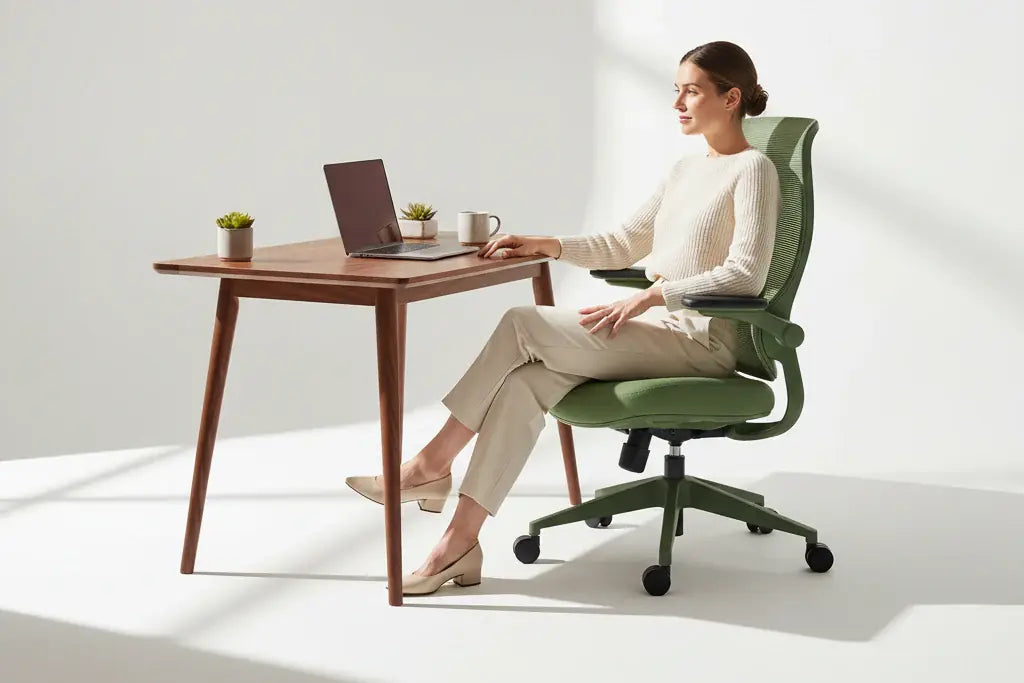
Indicatively, an improperly designed office chair would cause backache or neck strain in the long run. The opposite is also true. Ergonomically designed office furniture helps maintain a natural posture and minimise the risk of musculoskeletal problems.

2. Cognitive Ergonomics
Cognitive ergonomics concerns the ways people process information and make decisions. It concerns mental load, concentration, memory, and the interaction between humans and systems.
Situation that involves cognitive ergonomics...
- What is the ease of use of a software interface?
- Does the machine operator control panel make sense?
- Are the employees able to make swift decisions without losing track?
Unusual purpose of cognitive ergonomics is to minimise mental fatigue, mistakes, and disorientation by designing in accordance with the art of natural brain functioning.
3. Organisational Ergonomics
Organisational ergonomics aims to optimise systems, teamwork, communication, and workflows within an organisation. It concerns how work environments are organised to enhance coordination, employee satisfaction, and production efficiency.
Employee morale and efficiency increase when teams operate smoothly and dependably, and when communication channels are well-maintained. This demonstrates that ergonomics is not only a comfort factor but also a performance and collaboration factor.

Ergonomic Design: Important in Furniture and the Environment
The ergonomic design is vital in furniture as well as environmental planning. An intelligent design can alleviate such pains and offer healthier lifestyles, particularly in workplaces where one can spend hours sitting or standing.
Ergonomic design addresses such key aspects as:
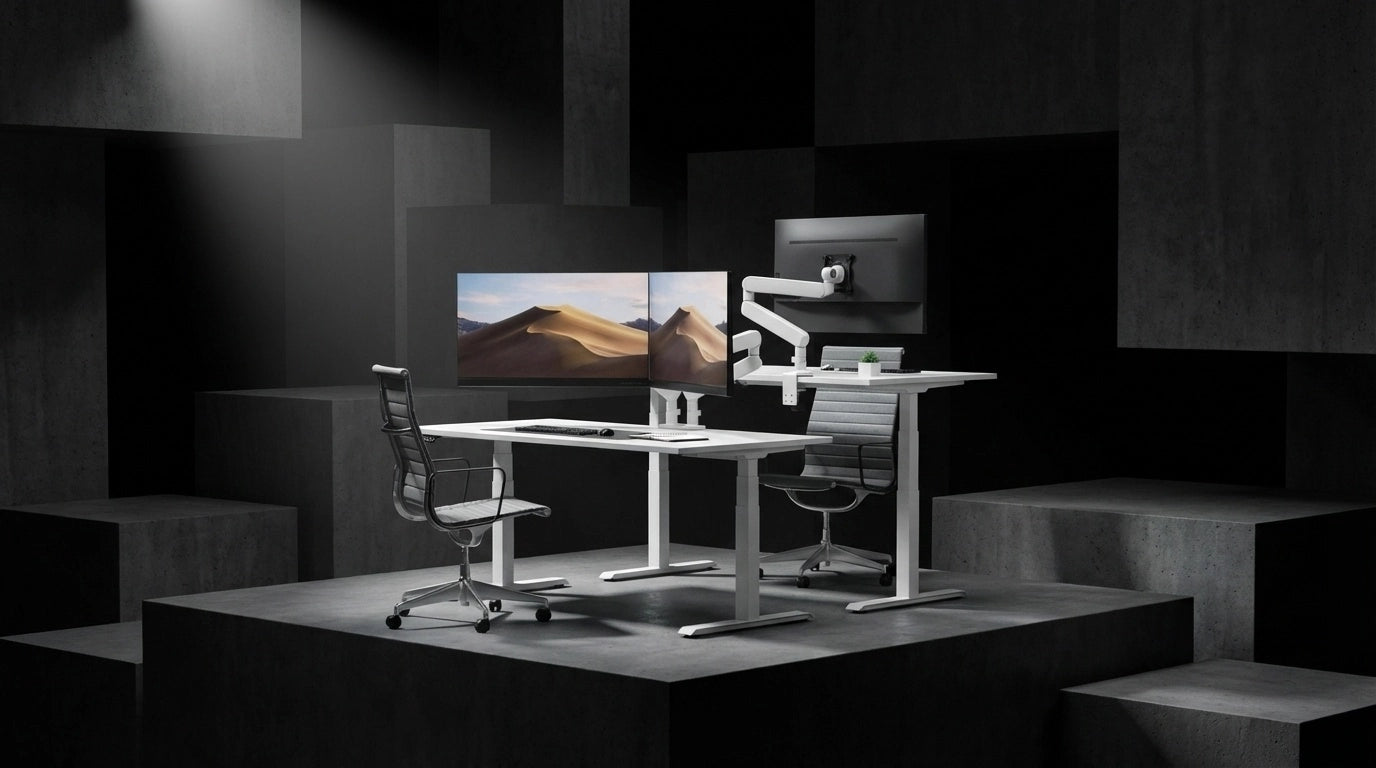
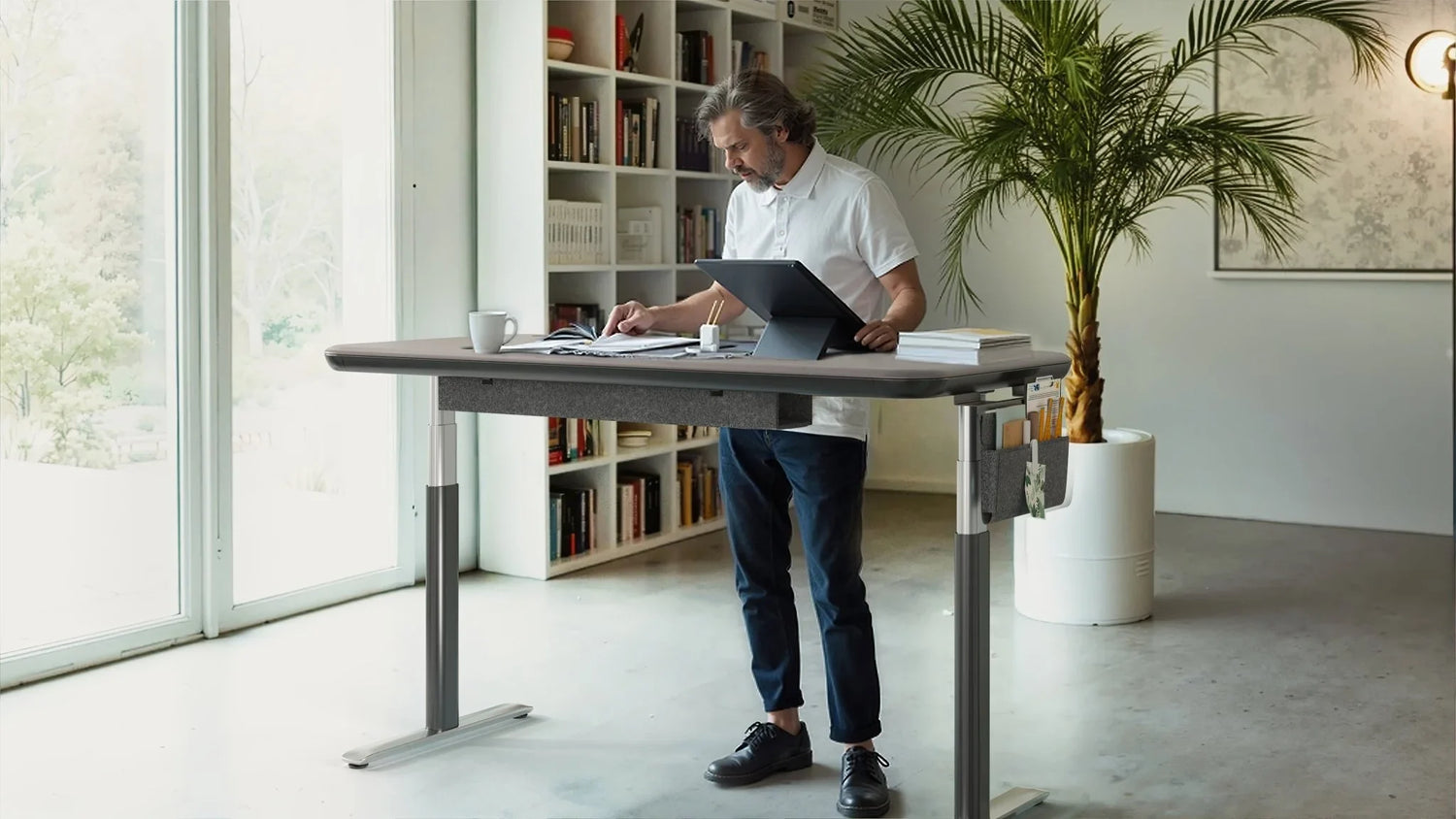
- Adjustable Furniture: Chairs, desks, and monitor stands can be used and adjusted to accommodate the sizes and postures of individual bodies.
- Decent Lighting: Lights that do not strain the eyes by providing level lighting and free screens.
- Layout of Workspaces: Ensure that objects, tools, paperwork, and equipment are within reach of an individual to reduce unnecessary movements.
- Environmental Factors: Temperature, noise, and air quality also affect overall ergonomic comfort.
When these factors are well adjusted, individuals feel less fatigued, have fewer health issues, and are more focused. Ergonomic furnishings and designs have been observed to enhance employee efficiency and health in modern workplaces.
Want to get more creativity for Workspace, but without thought? Browse our article Home Office Ideas for inspiration on space layout, furniture, lighting, and plant placement.
Sunaofe Focus on Creating an Ergonomic Chair
Sunaofe, a company focused on merging design with human comfort, also prioritises ergonomic furniture, particularly chairs. Recognising the growing problem of sedentary lifestyles and back issues, Sunaofe's designs are informed by principles of physical and cognitive ergonomics.
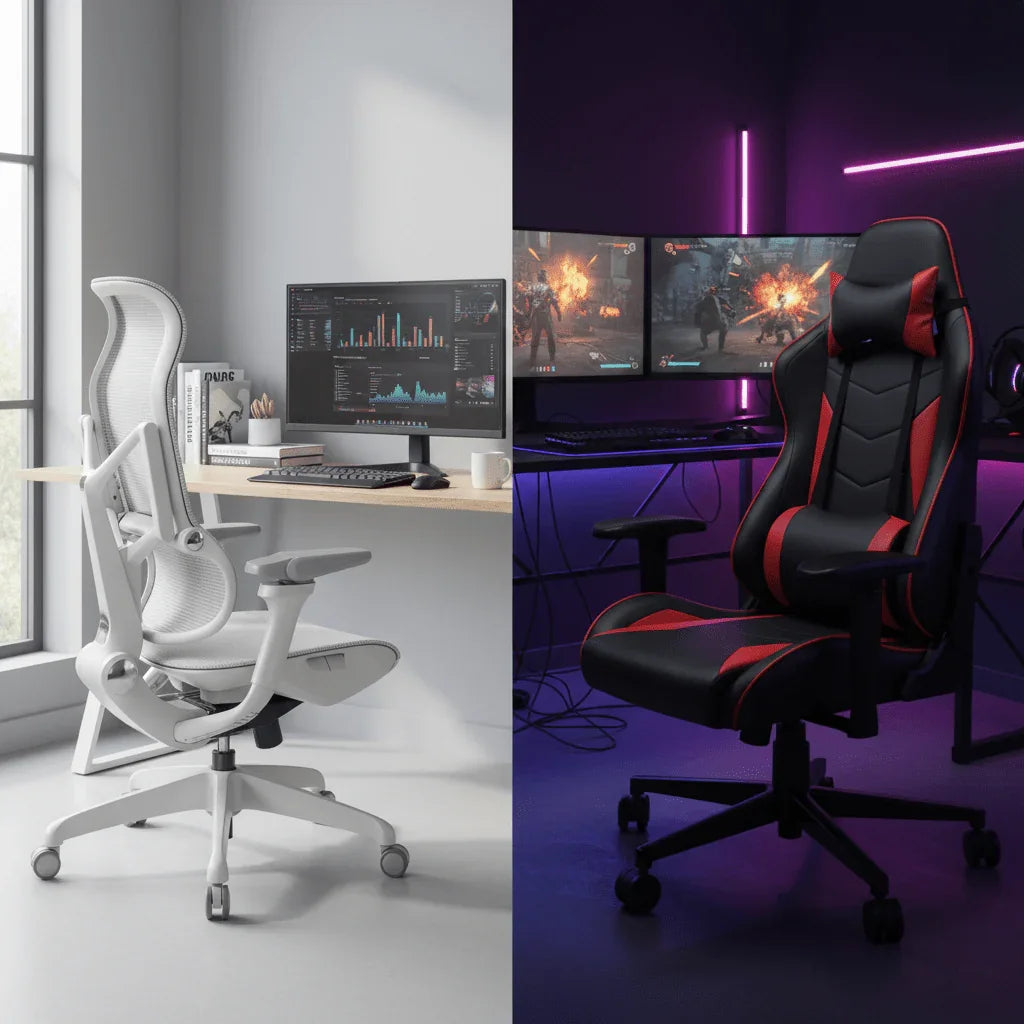
The design of every Sunaofe chair is engineered to support natural spine alignment, reduce pressure points, and enable active sitting. These chairs are adjustable in height, lumbar support, and mobility, which is smooth for the user rather than requiring the human body to adjust to the chair.
By focusing on precision (ergonomics) and contemporary aesthetics, Sunaofe has made productivity and comfort go hand in hand. With their products, they have added the reminder that ergonomics is not about comfort but instead building the environment that facilitates the actual human potential.


Laisser un commentaire
Tous les commentaires sont modérés avant d'être publiés.
Ce site est protégé par hCaptcha, et la Politique de confidentialité et les Conditions de service de hCaptcha s’appliquent.